Health & Safety Policy for Fresh Cleaners
 Fresh Cleaners is committed to providing a safe, healthy and secure working environment for all employees, contractors and the places we serve. This health and safety statement sets out the core principles and practical measures the company adopts to reduce risk, protect wellbeing and promote best practice across every cleaning operation. Our approach blends clear leadership, consistent procedures and ongoing training so that safety is integral to day-to-day service delivery.
The policy applies to all staff, including management, supervisors and cleaning operatives, and covers activities from routine cleaning to specialist services. Roles and responsibilities are defined to ensure accountability: managers are responsible for implementation, supervisors for monitoring, and employees for following safe work practices. We use a hierarchy of controls to manage hazards, favouring elimination and substitution over reliance on PPE alone. Fresh cleaning teams are expected to report concerns promptly and to participate in safety briefings.
 Risk assessment forms the foundation of our safety management system. Before any task, risks are identified and evaluated, with safe systems of work developed for higher risk tasks such as working at height, handling chemicals, or operating powered equipment. Controls are documented and communicated through task-specific instructions and recorded as part of routine audits. The company maintains documented procedures for reporting incidents, near misses and hazards, and these records are used to prevent recurrence and support continuous improvement.
Training and competency are central to keeping teams safe. Fresh Cleaners provides induction training for all new staff and ongoing refresher modules covering manual handling, chemical safety, infection prevention, and emergency response. Supervisors receive additional training in supervision and hazard recognition to ensure consistent oversight. Employees are assessed for competence and given opportunities to practice skills under supervision until they can demonstrate safe performance.
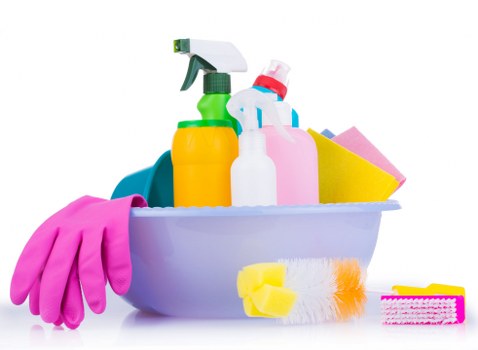 Operational controls include safe work instructions, use of appropriate cleaning products, and maintenance of equipment to manufacturer standards. We favour environmentally responsible products where effective, and ensure Safety Data Sheets are accessible and understood. Personal protective equipment is supplied where residual risk requires it and is used alongside engineering and administrative controls. Routine checks ensure equipment such as vacuums, ladders and mechanical aids are safe and serviceable, reducing the likelihood of injury.
Emergency preparedness is a priority. Clear procedures exist for first aid, fire response and evacuation. Trained first aiders are available in operations and staff know how to summon assistance. Incident response emphasizes preserving life, reducing harm and securing the scene, followed by prompt reporting and investigation to identify root causes. Corrective actions are tracked to completion to prevent similar events.
To support practical safety outcomes we maintain a program of supervision, inspection and performance monitoring. Regular workplace inspections identify hazards and verify that controls are in place and effective. Safety meetings and toolbox talks keep teams up to date on emerging risks and procedural changes. Metrics such as incident rates, audit results and training completion are reviewed by management to drive improvements.
 Health and wellbeing are integral to our duty of care. We encourage safe lifting techniques, provide mechanical aids where appropriate, and support staff with information on stress management and workplace ergonomics. Where tasks involve potential exposure to biological or chemical agents, control measures and medical surveillance arrangements are in place as required. Staff are encouraged to disclose health issues that may affect safety so that suitable adjustments can be arranged.
 Communication and consultation are essential. Employees are consulted on changes that affect their safety, and suggestions for safer ways of working are welcomed and reviewed. We promote a culture where reporting hazards and near misses is seen as constructive and where lessons learned are shared across teams. Fresh cleaning services operate with transparency regarding expectations for safety and conduct, ensuring that all personnel understand their role in maintaining a safe workplace.
Implementation and Review
The policy is implemented through operational procedures, leadership commitment and continuous monitoring. Managers are responsible for ensuring resources are available to meet safety objectives and for fostering a culture of accountability. The effectiveness of the policy is reviewed regularly and updated to reflect changes in operations, equipment or industry best practice. Periodic audits and management reviews provide assurance that the measures remain relevant and effective.
Summary of Key Commitments
Fresh Cleaners commits to:
- Identifying and assessing risks for all cleaning activities.
- Providing training, supervision and the right equipment.
- Maintaining clear emergency procedures and first aid provision.
- Encouraging reporting, consultation and continuous improvement.
- Reviewing and updating safety arrangements to keep pace with change.
By embedding safety into every task, Fresh Cleaners aims to protect people, preserve property and deliver services that are both effective and responsible. This policy reflects our ongoing commitment to safe working and to fostering a workplace where everyone returns home healthy after each shift.
Scope and Applicability
This policy applies to all operational areas and to anyone engaged on behalf of Fresh Cleaners. It complements specific operational procedures and safe systems of work that provide detailed guidance for particular tasks. The company expects all workers to cooperate with safety measures and to contribute to maintaining standards of performance.
Signed: Management Team
Date: As reviewed by leadership