Real cost of a professional deep clean versus DIY in the UK 2026
If you are trying to work out the real cost of a professional deep clean versus DIY in the UK 2026, you are probably not just comparing a few bottles of spray and a sponge. You are weighing up time, effort, equipment, finish quality, and the slightly annoying risk of doing the job twice. Truth be told, that is where most cleaning budgets go sideways.
For a small flat, DIY can look cheaper at first glance. For a larger family home, a rented property, or a place that has not had a proper reset in a while, the numbers shift fast. This guide breaks down the real-world cost, the hidden extras, and the situations where calling in a professional deep clean makes more sense than spending a Saturday with tired arms and a half-finished bathroom.
We will look at what actually drives the price, how professionals work, where DIY falls short, and how to judge value without getting lost in guesswork. If you want a broader view of what a full service typically involves, you may also find it useful to compare the scope of professional deep cleaning with a more routine domestic cleaning service.
Quick take: DIY usually looks cheaper on paper, but once you include your time, specialist products, machine hire, transport, and the risk of missing key areas, professional deep cleaning can be better value than many people expect.
Below is a simple guide to help you decide, with enough detail to make a sensible choice rather than an emotional one. And yes, the oven is still going to be the annoying bit.
Table of Contents
- Why Real cost of a professional deep clean versus DIY in the UK 2026 Matters
- How Real cost of a professional deep clean versus DIY in the UK 2026 Works
- Key Benefits and Practical Advantages
- Who This Is For and When It Makes Sense
- Step-by-Step Guidance
- Expert Tips for Better Results
- Common Mistakes to Avoid
- Tools, Resources and Recommendations
- Law, Compliance, Standards, or Best Practice
- Options, Methods, or Comparison Table
- Case Study or Real-World Example
- Practical Checklist
- Conclusion
- Frequently Asked Questions
Why Real cost of a professional deep clean versus DIY in the UK 2026 Matters
The phrase "deep clean" sounds simple, but in practice it covers a lot more than a quick tidy-up. It usually means cleaning beyond visible surfaces: skirting boards, kitchen grease, bathroom limescale, grout lines, door frames, internal glass, edges, switches, cupboard fronts, behind appliances, and all the places that quietly collect grime.
That matters because people often compare only the obvious expense. A DIY deep clean might seem to cost GBP30 to GBP60 in products, while a professional quote might be several times that. But the true comparison is wider than that. If you are spending six hours cleaning, buying new cloths, replacing broken tools, and still not reaching the corners, the cheap option is not always cheap.
In the UK, this question comes up for all sorts of reasons: moving in, moving out, post-renovation mess, spring refresh, end-of-tenancy checks, or just that point where the house feels a bit sticky no matter how often you wipe the counters. A proper one-off reset can save stress later. For some homes, a focused one-off cleaning visit is the best middle ground when you do not need a weekly arrangement but want the place brought back under control.
It also matters because DIY standards are subjective. You may be perfectly happy with a clean kitchen floor and a fresh smell. A landlord, letting agent, or buyer may notice what you missed in the extractor hood, along the sealant, or inside the oven door. Different expectations, different outcomes. That is where cost and value diverge sharply.
And to be fair, time has a real cost too. A Saturday spent scrubbing is not free just because no invoice changes hands. It may cost you family time, rest, or the energy you needed for something else entirely. That is the hidden bit people forget.
How Real cost of a professional deep clean versus DIY in the UK 2026 Works
The cleanest way to compare the two is to break them into categories:
- Direct cash cost - products, equipment, labour, and travel.
- Time cost - hours spent planning, cleaning, rinsing, drying, and putting everything back.
- Quality cost - the risk of missed spots or uneven results.
- Repair or replacement cost - damage from using the wrong product or method.
- Opportunity cost - what else you could have done with that time.
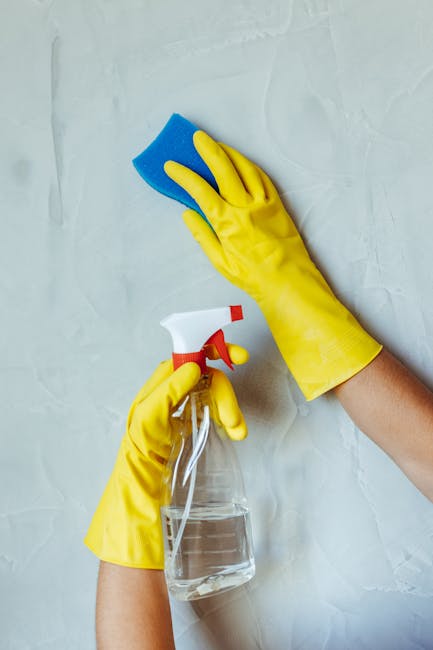
DIY usually starts with a list of products: multipurpose cleaner, bathroom descaler, degreaser, cream cleaner, cloths, sponges, gloves, a mop, bin bags, and perhaps a vacuum with better attachments than the one in the back of the cupboard. If carpets, upholstery, or hard floors are involved, many people then hire extra equipment or buy specialist formulas. The bill creeps up, a bit at a time.
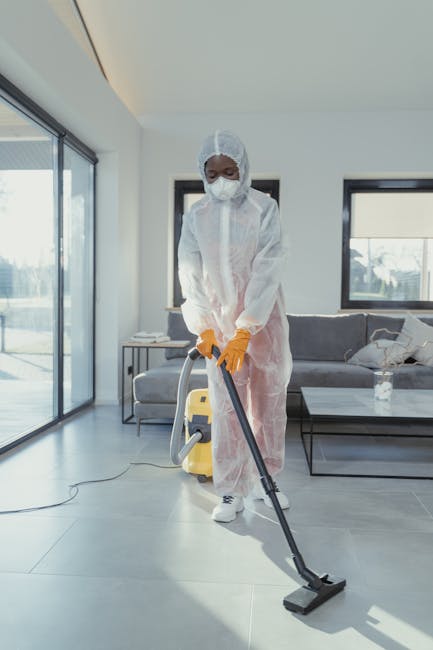
A professional deep clean normally includes trained labour, commercial-grade products, specialist tools, and a process that is built for speed and consistency. If the home needs more than surface cleaning, a provider may also suggest targeted services like oven cleaning, window cleaning, or upholstery cleaning so the whole property feels genuinely refreshed rather than just superficially tidied.
The big difference is that professionals work to a system. They do not wander from room to room hoping to remember the skirting boards later. They usually clean top to bottom, dry to wet, and room by room, which reduces rework. There is a reason that looks deceptively simple when done well.
DIY, on the other hand, depends on your stamina and attention. At 9 a.m., the bathroom looks manageable. By 1 p.m., after a kitchen cupboard adventure, the whole thing feels like a small life decision. That is not a moral failing. It is just reality.
Key Benefits and Practical Advantages
The strongest argument for a professional deep clean is not that it is luxurious. It is that it is efficient, repeatable, and less likely to miss the jobs that really change how a space feels.
Professional deep clean benefits
- Better finish in hard-to-reach areas such as tops of doors, behind toilets, and around taps.
- Stronger grease and limescale removal thanks to the right chemicals and dwell time.
- Less physical strain for the homeowner or tenant.
- More reliable timing when you are working to a deadline.
- Less risk of damage from using harsh chemicals on the wrong surface.
- More suitable for complex jobs like after-builders work, post-tenancy resets, or homes with pets and heavy use.
There is also the calm factor. A professional team can get on with the job while you do something else, which sounds small until you realise you are no longer trying to clean a fridge seal at 10 p.m. after a full workday. That alone can be worth quite a lot.
For homes with mixed surfaces, the value rises further. Hard floors need different treatment from carpets. Delicate upholstery is not the same as a bathroom suite. Services such as hard floor cleaning, carpet cleaning, and rug cleaning exist because one product and one method do not fit everything. DIY often struggles here, especially if you are trying to save time with a "works on everything" cleaner that, frankly, does not.
DIY advantages, when done well
- Lower immediate spend if you already have the basics.
- Full control over products if you prefer specific scents or eco choices.
- Flexible timing if you can spread the work over several days.
- Good enough for maintenance when the home is already in decent condition.
So DIY is not the villain here. It just works best when the job is moderate, time is available, and the finish standard does not have to be near-perfect.
Who This Is For and When It Makes Sense
This decision is rarely about cleaning alone. It is about the situation.
Professional deep cleaning tends to make sense if you are:
- moving in or out of a property
- preparing for a tenancy inspection
- dealing with builders' dust after works
- catching up after illness, stress, or a busy period
- cleaning a property you rent out or manage
- trying to reset a home that has gone beyond normal upkeep
- short on time and needing results fast
If you are in a rental property, timing can be everything. A proper end-of-tenancy reset often needs more than a quick tidy, especially in kitchens and bathrooms. In many cases, a dedicated end of tenancy cleaning service is a smarter route than trying to do a heroic DIY marathon the day before keys are handed back.
Professional support is also useful after home improvements. Fine dust gets everywhere - inside cupboard hinges, on light switches, along ledges, in the tracks of sliding doors. If you have ever opened a window and watched grey dust puff up from the sill, you know the feeling. For that kind of mess, after builders cleaning can be far more practical than standard home cleaning.
DIY tends to make sense if you are:
- keeping an already clean home in order
- working on a small, manageable area
- not under time pressure
- comfortable with detailed cleaning tasks
- prepared to accept a slightly less polished finish
If that is you, fair enough. A well-planned DIY deep clean can work. Just be honest about the real size of the task. The mistake people make is thinking "it is only a few rooms" and then discovering each room has about twelve sub-jobs hiding in it.
Step-by-Step Guidance
If you are deciding between hiring help and doing it yourself, follow this simple process. It keeps the choice grounded in reality rather than optimism.
- Walk through the property room by room. Make a note of obvious problem areas: ovens, limescale, carpets, skirting, stains, mould-prone bathroom zones, window tracks, and hard-to-reach dust.
- Estimate your DIY materials. Add up detergents, cloths, gloves, brushes, sponges, bin bags, and any specialist sprays. If a machine hire is needed, include that too.
- Estimate your time honestly. Not "how long should it take?" but how long it will probably take you, including breaks and cleanup.
- Check the finish standard required. Is this for you, a landlord, a buyer, a tenant handover, or a family home that just needs a reset?
- Compare with a professional quote. Look beyond the headline price and check what is included, what is excluded, and whether specialist tasks are separate.
- Consider the risk of rework. If you miss a detail and have to clean again, the true cost rises fast.
A good rule of thumb: if the job is spreading into multiple specialist tasks, a cleaner plan is often better than a cheaper plan. That is especially true when cleaning becomes a chain reaction - the bathroom needs descaling, the oven needs degreasing, the carpets need attention, and the windows are somehow both streaky and dusty. It happens.
One practical tip: separate your list into "surface cleaning," "detail cleaning," and "specialist cleaning." Once the specialist list gets long, DIY becomes less persuasive. That is usually the moment to explore a quote rather than buying another bottle of miracle spray.
Expert Tips for Better Results
These are the small habits that make a deep clean feel more professional, whether you do it yourself or bring in a team.
- Start high, finish low. Dust and debris fall down. Always clean shelves, frames, and ledges before floors.
- Use dwell time properly. Let products sit for a few minutes where the label allows. Rushing means more scrubbing and less actual cleaning.
- Work one room at a time. Jumping around creates missed spots and fatigue.
- Use the right cloth for the job. Microfibre for dust, non-scratch pads where appropriate, separate cloths for bathrooms and kitchens.
- Ventilate as you go. Open windows when possible to reduce fumes and speed drying.
- Test on a hidden area first. Especially on wood, upholstery, grout, and painted surfaces.
Also, do not underestimate the value of specialist add-ons. A deep clean can look good and still feel incomplete if a filthy oven, stained sofa, or dusty carpet remains in place. That is why people often pair deep cleaning with office cleaning standards for workspaces, or residential extras like upholstery and carpet care for a more thorough result.
If you are using a professional service, ask what is included in the quote. Some providers structure work around rooms, others around task lists. That matters. A quick chat can save a lot of back-and-forth later, and it is much easier than arguing over whether "inside cupboards" meant all cupboards or just the kitchen ones. Small detail, big consequence.
Common Mistakes to Avoid
Most disappointing cleaning results come from a few predictable mistakes. They are easy to make, which is why they are worth calling out clearly.
- Underestimating the workload. Deep cleaning takes longer than normal cleaning, especially in lived-in homes.
- Buying products without checking surfaces. A strong cleaner can damage stone, wood, sealants, and coatings.
- Skipping the awkward areas. Behind radiators, under appliances, around handles, along seals - these are the places that make the difference.
- Trying to do everything in one go. Fatigue leads to shortcuts, and shortcuts lead to uneven results.
- Forgetting drying time. Damp surfaces can make a room feel unfinished even after all the visible dirt is gone.
- Using one cloth everywhere. Not ideal. Not even a bit.
A very common DIY trap is polishing before the dirt is fully lifted. It looks tidy for about five minutes, then streaks and residue show up in the light. You see it especially in kitchens late afternoon, when the light hits the cabinet fronts at an angle and reveals what the morning hid.
Professional cleaners avoid a lot of that because they use a set sequence and the right tools. For some properties, combining general deep cleaning with smaller specialisms like oven cleaning or window cleaning is simply more efficient than trying to improvise every stage yourself.
Tools, Resources and Recommendations
If you are leaning toward DIY, the goal is not to buy everything under the sun. It is to buy the right basics and stop there.
Useful DIY essentials
- microfibre cloths in several colours
- non-scratch sponges and pads
- a good vacuum with attachments
- mop and bucket
- rubber gloves
- descaler for bathrooms
- degreaser for kitchens
- glass cleaner
- detail brush or old toothbrush for edges and seals
- bin bags and storage boxes for clutter clearing
If the property has a lot of carpet, rugs, or fabric furniture, renting or hiring the wrong machine can waste money quickly. In those cases, it is worth comparing DIY rental costs with targeted services like carpet cleaning, rug cleaning, and upholstery cleaning.
For people who want less stress and more predictable results, a professional quote is often the better benchmark. You can review what is covered and plan from there through pricing and quotes. If you are checking business values, safety approach, or how a company works, pages such as about us, insurance and safety, and health and safety policy can help you understand the standard behind the service.
For customers who care about waste and product choices, recycling and sustainability is a useful page to review before booking. Small point, but an important one for many households now.
Law, Compliance, Standards, or Best Practice
For home cleaning, there usually is not a dramatic legal framework to worry about, but there are still sensible standards and best practices that matter.
If you are hiring a cleaner or cleaning company, it is reasonable to expect:
- clear service scope
- transparent pricing
- appropriate insurance for the work being carried out
- safe handling of products and equipment
- care around electrical items, stone surfaces, soft furnishings, and delicate fixtures
In occupied homes, good practice also means respecting personal property, protecting floors where needed, and using products responsibly. In commercial settings, expectations are usually higher because of footfall, schedules, and health and safety obligations. That is one reason office and specialist cleaning work is often separated from basic domestic upkeep.
If a property has been newly built, renovated, or left in a poor condition, the standard should be agreed clearly before work starts. Expectations around what is removed, what is polished, and what is treated as specialist grime should not be vague. Vague scopes create awkward conversations later. Nobody enjoys those.
For end-of-tenancy situations, follow the written inventory and check-out expectations as closely as possible. Even if a property looks clean to you, handover standards are often about consistency, not just appearance. If you need a more structured reset, a dedicated end of tenancy cleaning approach is generally the safer route than improvising.
Options, Methods, or Comparison Table
Here is a practical comparison to help you judge the real cost more clearly.
| Factor | DIY Deep Clean | Professional Deep Clean |
|---|---|---|
| Upfront cash cost | Usually lower at first | Higher upfront, but includes labour and equipment |
| Time required | High, often spread over several hours or days | Lower for you personally |
| Finish quality | Varies with skill, energy, and tools | More consistent and usually more thorough |
| Risk of damage | Higher if products or methods are wrong | Lower when the team is experienced and insured |
| Specialist tasks | Often separate effort or extra hiring | Often easier to bundle into the job |
| Best for | Routine refreshes, small properties, low pressure | Move-outs, heavy grime, deadlines, larger homes |
Another way to think about it is this: DIY is often the cheaper purchase, while professional cleaning can be the better value. Those are not the same thing. Not even close, really.
If your home needs exterior support as well, it may be worth looking at services like patio cleaning, gutter cleaning, and facade cleaning. Those are not part of an indoor deep clean, of course, but they can influence how a property feels overall, especially if you are preparing it for sale or tenancy handover.
Case Study or Real-World Example
Imagine a two-bedroom flat in London after a long tenancy. The kitchen has baked-on grease on the hob, limescale around taps, dusty skirting, marks on internal glass, and a carpet that has taken a bit of a beating. The tenant has a free weekend and considers doing it all themselves.
DIY estimate: a trolley of products, cloths, gloves, a carpet machine hire, extra descaler, oven cleaner, and a few "while we're at it" purchases that somehow end up in the basket. Add a full day of labour, maybe more if the first pass does not lift everything. Add drying time and the inevitable second pass on the kitchen. Now you are into a real commitment.
Professional estimate: one booked service with the cleaning scope set in advance. The kitchen, bathroom, and floors get systematic attention, and the stronger problem areas are handled with the right tools. The tenant spends the time moving small items, checking the inventory list, and sorting the handover rather than scrubbing grout at 8 p.m. with a sore back.
Which is cheaper? On paper, DIY often still wins on immediate spend. Which is better value? In this scenario, the professional option probably is, because the property needs speed, consistency, and fewer surprises. If the carpet also needs proper attention, bundling the work with specialist care such as carpet cleaning can make the overall result feel much more complete.
A slightly different story: a neat one-bedroom flat that is already maintained well, with no pets, no heavy cooking, and no deadline. Here, DIY may be the smarter move. Less drama, lower spend, easy enough. So the answer is not one-size-fits-all. It depends on the mess, the timing, and how fussy the result needs to be.
Practical Checklist
Use this checklist before you decide whether to DIY or hire a professional.
- Have I counted all products, tools, and rental costs?
- Do I know how many hours the job will actually take?
- Is there grease, limescale, builders' dust, pet hair, or stubborn staining?
- Do I need a better finish for a tenancy, sale, or inspection?
- Are there carpets, upholstery, rugs, or hard floors that need specialist care?
- Could I damage a surface by using the wrong product?
- Do I have the energy to finish properly, not just start?
- Would a specialist service save me more stress than money?
- Have I checked what the professional quote includes?
- Do I need the work done by a specific date?
If you ticked several of those boxes, a professional deep clean starts to look more sensible. If you only ticked one or two, DIY may still be perfectly fine.
Conclusion
The real cost of a professional deep clean versus DIY in the UK 2026 is not just about the invoice. It is about time, finish quality, specialist equipment, risk, and the kind of result you actually need. DIY can be a good option for maintenance and small refreshes, especially if your home is already in decent shape. But once the job becomes time-heavy, detail-heavy, or deadline-driven, professional cleaning often delivers better value than the sticker price suggests.
For many households, the sweet spot is simple: DIY for light upkeep, professional help for bigger resets, and specialist add-ons when one area needs more than the rest. That way you are not overspending, but you are also not pretending a kitchen deep clean is a weekend hobby. It is work. Proper work.
If you are comparing options for a property refresh, a move, or a one-off reset, the next sensible step is to review what is included, check the standards you need, and ask for a quote that matches the job in front of you. Small planning now can save a lot of scrubbing later. And honestly, your future self will thank you for it.
Get a free quote today and see how much you can save.
Frequently Asked Questions
Is a professional deep clean worth it in the UK in 2026?
Yes, if the property needs more than routine cleaning, or if you are working to a deadline. The value becomes clearer when you count your time, tools, and the chance of needing to redo missed areas.
What does DIY deep cleaning usually cost?
It varies, but the direct spend is usually in cleaning products, cloths, gloves, brushes, and possibly machine hire. The bigger cost is often time, especially in larger homes or in spaces with heavy grime.
Why is professional deep cleaning more expensive upfront?
You are paying for trained labour, equipment, products, and a structured process. That higher upfront cost can still be worthwhile if it saves hours of work and gives a better finish.
What rooms are most expensive to deep clean professionally?
Kitchens and bathrooms usually need the most time because of grease, limescale, and detailing around fixtures. Ovens, carpets, and upholstery can also add to the price if they are included.
When is DIY a better choice than hiring a cleaner?
DIY makes sense for smaller jobs, lighter upkeep, and properties that are already reasonably clean. It is also a good option when you are not under time pressure and do not need a perfect finish.
Can DIY cleaning match professional results?
Sometimes, especially for routine maintenance. But for heavy build-up, specialist surfaces, or move-out standards, professionals usually achieve a more consistent result because they use the right tools and a set method.
Does a deep clean include carpets and upholstery?
Not always. Those are often treated as specialist tasks and may be priced separately. If you need them done, ask specifically rather than assuming they are included.
How do I know if I need after-builders cleaning rather than a normal deep clean?
If there is dust from drilling, plaster residue, paint specks, or debris in awkward areas, the job is probably beyond a standard deep clean. In that case, an after-builders approach is usually the better fit.
Are professional cleaners insured?
Many reputable cleaners carry insurance, but you should always check. It is sensible to review the company's insurance and safety information before booking, especially for specialist or higher-value jobs.
What should I ask for before accepting a quote?
Ask what is included, what is excluded, how long the job is expected to take, and whether specialist tasks are charged separately. Clarity at the start prevents awkward surprises later.
Is a one-off deep clean the same as regular domestic cleaning?
No. Regular domestic cleaning is more about maintenance, while a one-off deep clean tackles built-up dirt, hidden areas, and more detailed work. The effort level and pricing are usually different.
How can I save money without doing everything myself?
Focus on the highest-value areas first, like the kitchen, bathroom, and floors. You can sometimes handle lighter tidying yourself and leave the heavy-detail work to professionals, which is a very practical middle path.